
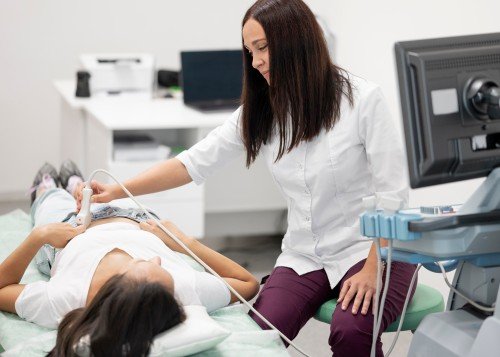
Choosing the right gynaecologist is an important step in taking care of your health. Whether you need advice about irregular periods, pregnancy planning, hormonal changes, or a routine checkup, the right specialist can help you understand your concerns and make informed decisions. If you are looking for a Gynaecologist in Indirapuram, consider the doctor’s qualifications, experience, communication style, and the range of services available. A comfortable and trustworthy doctor-patient relationship can make it easier to discuss sensitive symptoms and receive appropriate care at different stages of life.
For more information, check here on WhatsApp.
To choose the best gynaecologist in Indirapuram, check the doctor’s qualifications, relevant clinical experience, range of services, communication style, appointment availability, and hospital facilities. Choose a specialist who listens carefully, explains treatment options clearly, respects your privacy, and recommends tests or procedures based on your individual medical needs.
Why Choosing the Right Gynaecologist Matters
Women’s health needs change with age, lifestyle, reproductive goals, and medical history. A gynaecologist can help assess menstrual problems, investigate pelvic discomfort, provide contraceptive advice, support pregnancy planning, and guide patients through menopause.
Regular consultations also provide an opportunity to discuss concerns that may otherwise go unnoticed. For example, persistent period changes, unusual vaginal discharge, or recurring pelvic pain may require professional assessment.
A good specialist does more than recommend treatment. They explain possible causes, discuss appropriate investigations, and help you understand the available options without making you feel uncomfortable or rushed.
What to Look for in a Gynaecologist in Indirapuram
Before booking an appointment, consider the following factors to make a more informed choice.
1. Check Qualifications and Relevant Experience
Look for a doctor with recognized medical qualifications and specialist training in obstetrics and gynaecology. If you need pregnancy-related care, ask about their experience in antenatal monitoring and managing pregnancy complications.
Similarly, if you are seeking help for PCOS, fibroids, endometriosis, or menstrual disorders, check whether the doctor regularly evaluates and treats these concerns.
You can verify professional registration through the relevant medical council and review the doctor’s official profile for information about qualifications and areas of practice.
2. Consider the Services You Need
Not every appointment has the same purpose. Before selecting a clinic or hospital, identify the kind of care you are looking for.
Depending on the facility and specialist’s scope of practice, services may include:
- Routine gynaecological consultations and preventive care
- Assessment of irregular or painful periods
- PCOS and other hormonal health evaluations
- Preconception counselling and fertility-related guidance
- Antenatal care and pregnancy monitoring
- Menopause-related advice
- Evaluation of fibroids, ovarian cysts, and pelvic pain
- Contraceptive counselling and family planning
Choosing a provider whose services match your needs can make follow-up care more convenient. Ask whether additional investigations or specialist referrals are available when required.
3. Look for Clear Communication and Privacy
Gynaecological consultations can involve personal questions about menstruation, sexual health, pregnancy, and reproductive history. You should feel comfortable discussing these topics without fear of judgement.
A good doctor listens carefully, asks relevant questions, and explains findings in language you can understand. They should also describe the purpose, benefits, and possible risks of recommended tests or treatments.
Your privacy matters, too. Before an examination, the doctor should explain what it involves, obtain your consent, and answer your questions. You can ask about the availability of a chaperone if that would help you feel more comfortable.
4. Evaluate Accessibility and Follow-Up Care
Location can influence how easily you attend appointments, particularly during pregnancy or when regular monitoring is necessary. If you live in Indirapuram or nearby areas of Ghaziabad, consider travel time, appointment scheduling, and access to the facility.
Ask how follow-up visits are arranged and whom you should contact if you have questions after a consultation. If you are planning pregnancy, also ask about the process for urgent concerns outside regular appointment hours.
For pregnancy care, confirm which hospital provides delivery services and whether the required emergency facilities are available. Do not assume that every consultation clinic offers maternity or emergency services.
5. Understand Costs and Treatment Recommendations
Before proceeding with tests or treatment, ask about consultation charges, investigation costs, and any likely follow-up expenses. If you have health insurance, confirm what your policy covers and whether the facility accepts it.
The lowest consultation fee is not necessarily the best measure of value. Instead, consider the clarity of medical advice, suitability of the services, accessibility, and quality of communication.
A trustworthy specialist should explain why a test or treatment is being recommended and discuss reasonable alternatives where appropriate. Avoid relying on promises of guaranteed results or unnecessary procedures presented as essential without a clear medical explanation.
When Should You Visit a Gynaecologist?
You do not need to wait until a problem becomes severe to seek advice. Consider scheduling a consultation if you experience:
- Periods that become persistently irregular, unusually heavy, or significantly more painful
- Bleeding between periods or after menopause
- Recurrent pelvic pain or discomfort during sexual activity
- Unusual vaginal discharge, itching, or irritation
- Symptoms associated with PCOS, such as irregular periods or increased facial hair
- Difficulty conceiving or questions about preparing for pregnancy
- Menopause symptoms that affect your daily comfort
- Questions about contraception, reproductive health, or preventive screening
Seek urgent medical attention for severe pelvic or abdominal pain, heavy bleeding accompanied by weakness or fainting, or possible pregnancy complications. Severe pain, bleeding, or fainting during pregnancy requires prompt assessment.
Preparing for Your First Gynaecology Appointment
A little preparation can help you make better use of your consultation.
Before your visit:
- Note the first day of your last menstrual period and any recent cycle changes.
- Write down your symptoms, when they began, and what makes them better or worse.
- Bring relevant medical reports and a list of current medicines or supplements.
- Mention previous surgeries, pregnancies, allergies, and significant medical conditions.
- Prepare questions about diagnosis, treatment options, possible side effects, and follow-up.
Your first consultation may include a discussion of your medical history and symptoms, followed by an examination or tests if clinically appropriate. Not every visit requires an internal examination. The doctor should explain why any examination is needed and obtain your consent before proceeding.
Choosing Women’s Healthcare in Indirapuram
When comparing providers, focus on more than online ratings or convenience alone. Check whether the doctor has appropriate credentials, offers the services you need, communicates clearly, and respects your preferences.
If you are considering Nuvanta Hospital, review its current official information or contact the hospital directly to confirm the available gynaecology services, the consulting specialist’s credentials, appointment timings, and facilities relevant to your needs.
Making these checks beforehand can help you select care that fits your circumstances and understand what to expect from your first visit.
Frequently Asked Questions
1. When should I consult a gynaecologist?
Consult a gynaecologist if you have persistently irregular periods, severe menstrual pain, unusual bleeding, recurring pelvic discomfort, or concerns about reproductive health. You can also schedule routine preventive care, contraception counselling, or pregnancy planning advice. Seek urgent medical attention for severe pain, heavy bleeding with faintness, or potentially serious pregnancy-related symptoms.
2. How do I choose a good women’s health specialist in Indirapuram?
Check the specialist’s qualifications, medical registration, relevant experience, and range of services. Consider whether the doctor explains medical information clearly, respects your privacy, and involves you in treatment decisions. You should also check appointment availability, consultation fees, and access to necessary investigations or hospital facilities.
3. Can a gynaecologist help with PCOS and irregular periods?
Yes. A gynaecologist can assess irregular periods and symptoms that may suggest polycystic ovary syndrome (PCOS). Evaluation may involve your menstrual history, symptoms, examination where appropriate, blood tests, or ultrasound depending on the circumstances. Treatment is individualized and may address cycle regularity, metabolic health, skin symptoms, or pregnancy goals.
4. Should I visit a gynaecologist before planning a pregnancy?
A preconception consultation can help you prepare for a healthy pregnancy. The doctor may review your medical history, current medicines, vaccinations, lifestyle, and any existing health conditions. They can also discuss folic acid supplementation and appropriate screening. Ideally, arrange the consultation before trying to conceive, especially if you have a chronic condition or previous pregnancy complications.
5. What should I bring to my first gynaecologist appointment in Indirapuram?
Bring previous medical reports, a list of medicines and supplements, relevant details about your menstrual cycle, and notes about your symptoms. If you are pregnant, carry available pregnancy records and investigation results. Prepare questions in advance and share your medical history honestly so the doctor can recommend appropriate next steps.
Conclusion
Choosing the right Gynaecologist in Indirapuram begins with understanding your health needs and finding a specialist who offers appropriate medical expertise, clear communication, and respectful care. Whether you need help with menstrual problems, PCOS, pregnancy planning, antenatal consultations, or routine checkups, consider the doctor’s qualifications, relevant experience, available services, and follow-up arrangements before booking an appointment.
Take time to prepare your medical history and questions so you can make the most of your consultation. If you are considering Nuvanta Hospital, contact the hospital directly to confirm its current gynaecology services, specialist availability, and appointment process. An informed choice can help you take a more confident, proactive approach to your reproductive and overall health.