
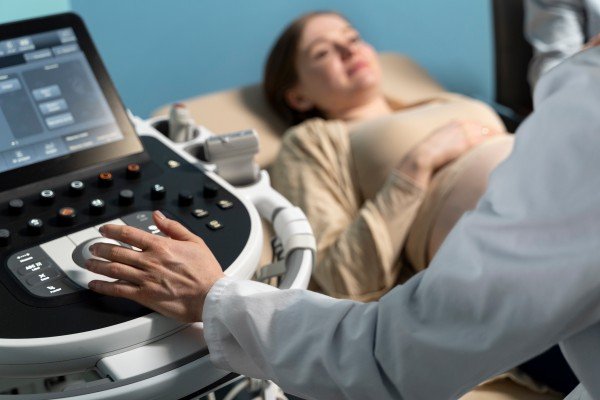
Women’s health needs change throughout life, from the first menstrual cycle to pregnancy, childbirth, and menopause. Regular medical guidance can help women understand these changes, manage symptoms, and make informed decisions about their health. If you are looking for a Gynaecologist in Siddharth Vihar, understanding the services a gynaecologist provides can help you decide when to seek care and which specialist may be right for you.
For more information, check here on WhatsApp.
A gynaecologist provides care for menstrual problems, PCOS, reproductive health concerns, pregnancy, and menopause. When choosing a Gynaecologist in Siddharth Vihar, check the doctor’s qualifications, relevant experience, available services, communication style, and follow-up facilities. Timely consultations can help identify health concerns and guide appropriate treatment.
What Does a Gynaecologist Do?
A gynaecologist is a doctor who specialises in the health of the female reproductive system. This includes the uterus, ovaries, fallopian tubes, cervix, and vagina. Gynaecologists diagnose and manage a wide range of conditions, provide preventive care, and guide patients through different stages of reproductive life.
Depending on their training and services, they may also provide pregnancy care, fertility evaluation, contraceptive counselling, and support during menopause.
Why Consult a Gynaecologist in Siddharth Vihar?
Access to a nearby women’s health specialist can make routine consultations and follow-up visits more convenient. Women in Siddharth Vihar and nearby parts of Ghaziabad may seek gynaecological care for routine check-ups, new symptoms, pregnancy planning, or ongoing health concerns.
Consider scheduling an appointment if you experience:
- Irregular, unusually heavy, or painful periods.
- Persistent pelvic pain or discomfort.
- Unusual vaginal discharge, itching, or irritation.
- Difficulty conceiving after trying for an appropriate period.
- Symptoms associated with PCOS or hormonal changes.
- Menopausal symptoms that affect daily life.
- Questions about contraception, sexual health, or reproductive planning.
You do not need to wait until symptoms become severe to seek advice. Regular care can also help identify health concerns that may not cause obvious symptoms in their early stages.
Common Gynaecological Problems and Their Management
1. Irregular Periods and Menstrual Problems
Menstrual cycles can vary, but persistent irregularity, very heavy bleeding, or severe cramps may require medical evaluation. Possible causes include hormonal changes, thyroid disorders, uterine fibroids, and polycystic ovary syndrome (PCOS).
A gynaecologist may review your menstrual history and recommend blood tests, an ultrasound, or other investigations when appropriate. Treatment depends on the underlying cause, symptoms, and reproductive goals.
2. Polycystic Ovary Syndrome (PCOS)
PCOS is a hormonal condition that can affect menstrual regularity, ovulation, skin health, and fertility. Some women experience acne, increased facial hair, or changes in weight, while others have fewer noticeable symptoms.
Management may include lifestyle changes, medication for specific symptoms, and treatment to support ovulation when pregnancy is desired. PCOS is not diagnosed from an ultrasound alone; doctors consider symptoms, clinical findings, and relevant tests.
3. Vaginal Infections and Pelvic Discomfort
Changes in vaginal discharge, itching, burning, or an unpleasant odour may indicate an infection or another condition. Pelvic pain can also have several causes, so self-diagnosis may delay appropriate treatment.
A clinician may recommend an examination or laboratory tests before prescribing treatment. Avoid taking antibiotics or antifungal medicines without appropriate medical advice, as different conditions require different approaches.
4. Uterine Fibroids and Ovarian Cysts
Fibroids are non-cancerous growths in the uterus, while ovarian cysts are fluid-filled sacs that can develop on or inside an ovary. Some cause no symptoms and need only monitoring. Others may contribute to heavy bleeding, pelvic pressure, pain, or fertility concerns.
Treatment depends on the size and type of growth, symptoms, age, and future pregnancy plans. A gynaecologist can explain whether observation, medication, further testing, or a procedure may be appropriate.
Pregnancy Care: From Planning to Postnatal Support
Pregnancy involves physical and hormonal changes that require appropriate monitoring. Antenatal care helps assess the health of the pregnant person and developing baby, identify potential risks, and provide guidance throughout pregnancy.
A typical pregnancy care plan may include:
- Early pregnancy assessment: Confirming the pregnancy, reviewing medical history, and discussing medications and supplements.
- Routine antenatal visits: Monitoring blood pressure, symptoms, and pregnancy progress.
- Recommended tests and scans: Arranging investigations according to the stage of pregnancy and individual risk factors.
- Nutrition and lifestyle guidance: Discussing balanced nutrition, physical activity, rest, and avoiding harmful substances.
- Birth planning: Explaining delivery options, warning signs, and when to seek urgent care.
- Postnatal follow-up: Supporting physical recovery, breastfeeding concerns, contraception, and emotional wellbeing.
Women with existing medical conditions or a high-risk pregnancy may need additional monitoring. Severe abdominal pain, heavy bleeding, fainting, or other worrying symptoms during pregnancy require prompt medical assessment.
Preventive Women’s Healthcare and Routine Check-Ups
A gynaecological appointment is not only for treating an existing problem. Preventive care gives women an opportunity to discuss changes in their bodies, review reproductive health, and understand which screenings or vaccinations are appropriate for their age and medical history.
Depending on individual needs, a consultation may cover cervical cancer screening, HPV vaccination, contraception, breast health concerns, bone health after menopause, and family planning.
Not every patient needs the same tests or the same screening schedule. Your doctor can recommend appropriate care based on your age, previous results, symptoms, family history, and local clinical guidance.
How to Choose the Right Gynaecologist
Choosing a specialist involves more than finding the closest clinic. Consider these practical factors before booking an appointment.
- Qualifications and experience: Check the doctor’s recognised medical qualifications and relevant clinical experience.
- Services offered: Confirm whether the clinic provides the care you need, such as pregnancy monitoring, menstrual disorder management, or fertility evaluation.
- Communication: Choose a doctor who explains diagnoses, treatment options, risks, and follow-up clearly.
- Privacy and comfort: Women’s health consultations often involve sensitive topics, so respectful communication and confidentiality matter.
- Diagnostic and referral facilities: Ask whether necessary tests are available or whether referrals can be arranged.
- Appointment access: Consider clinic hours, follow-up arrangements, location, and how urgent concerns are handled.
You should feel comfortable asking questions and discussing your symptoms honestly. A good consultation should help you understand your options rather than pressure you into a particular treatment.
What to Expect During Your First Appointment
Your first consultation usually begins with a discussion of your symptoms, menstrual history, previous pregnancies, medications, medical conditions, and relevant family history. The doctor may ask about your lifestyle and whether you are planning a pregnancy.
An examination or diagnostic test is recommended only when clinically appropriate. The doctor should explain its purpose and obtain your informed consent. You can ask questions, discuss discomfort, and clarify any concerns before proceeding.
To prepare, bring previous reports, a list of medicines, information about your last menstrual period if relevant, and a few notes about your symptoms. These details can make the consultation more productive.
When Should You Seek Urgent Medical Care?
Some symptoms need prompt assessment rather than a routine appointment. Seek urgent medical attention for severe or sudden pelvic or abdominal pain, heavy vaginal bleeding, fainting, or significant pain or bleeding during pregnancy. Fever with pelvic pain or worsening symptoms may also require urgent evaluation.
If you are pregnant, reduced fetal movement after you have begun regularly feeling movement, fluid leakage, or other warning signs discussed by your maternity team should be assessed promptly. Contact emergency services for a medical emergency.
Frequently Asked Questions
1. When should I visit a gynaecologist for irregular periods?
Consult a gynaecologist if your periods repeatedly become irregular, stop unexpectedly when pregnancy is possible, become unusually heavy, or cause severe pain. The doctor may assess hormonal factors, thyroid function, PCOS, or other causes. Seek urgent care if bleeding is very heavy or accompanied by fainting, severe pain, or significant weakness.
2. How often should women have a gynaecological check-up?
The appropriate frequency depends on age, medical history, symptoms, pregnancy plans, and previous screening results. Some women benefit from periodic preventive visits, while others need more frequent follow-up. Cervical cancer screening should follow applicable age-based guidelines and individual risk factors rather than an identical schedule for everyone.
3. Can a gynaecologist help with pregnancy planning?
Yes. A preconception consultation can help review existing medical conditions, medications, vaccinations, lifestyle factors, and recommended supplements such as folic acid. Your doctor can also discuss menstrual cycles, fertility concerns, and when further evaluation may be appropriate. Personalised advice is especially useful if you have irregular periods or a known reproductive health condition.
4. What should I bring to my first gynaecologist appointment?
Bring previous medical reports, ultrasound results, a list of medicines and supplements, and details about your menstrual cycle and symptoms. If you are pregnant, carry relevant antenatal records. Write down your questions in advance. Sharing accurate information helps the doctor understand your concerns and recommend appropriate next steps.
5. How can I find a suitable women’s health specialist in Siddharth Vihar?
Check the doctor’s qualifications, clinical services, appointment availability, communication style, and access to diagnostic or referral facilities. Confirm that the clinic can address your particular concern, whether it involves pregnancy, menstrual problems, PCOS, or menopause. Before visiting, verify the current address, consultation hours, and booking arrangements directly with the hospital.
Conclusion
Women’s health deserves timely attention at every stage of life. From menstrual concerns and PCOS to pregnancy planning, antenatal monitoring, and menopause, the right medical guidance can help women understand their symptoms and make informed decisions. When searching for a Gynaecologist in Siddharth Vihar, consider the doctor’s qualifications, range of services, communication style, and approach to patient privacy. Prepare for your appointment by noting your symptoms and bringing relevant medical records. If you need a consultation, contact Nuvanta Hospital to confirm its available gynaecology services, specialist details, and appointment timings. Seek urgent medical care if you experience severe pain, heavy bleeding, or concerning pregnancy symptoms.